Where the Gorillas Live: Volcanoes vs Bwindi vs Mgahinga
Rwanda and Uganda share the same mountain gorillas and the same visiting rules. The parks differ in size, altitude and how many permits they hand out each day.
Volcanoes National Park, Rwanda
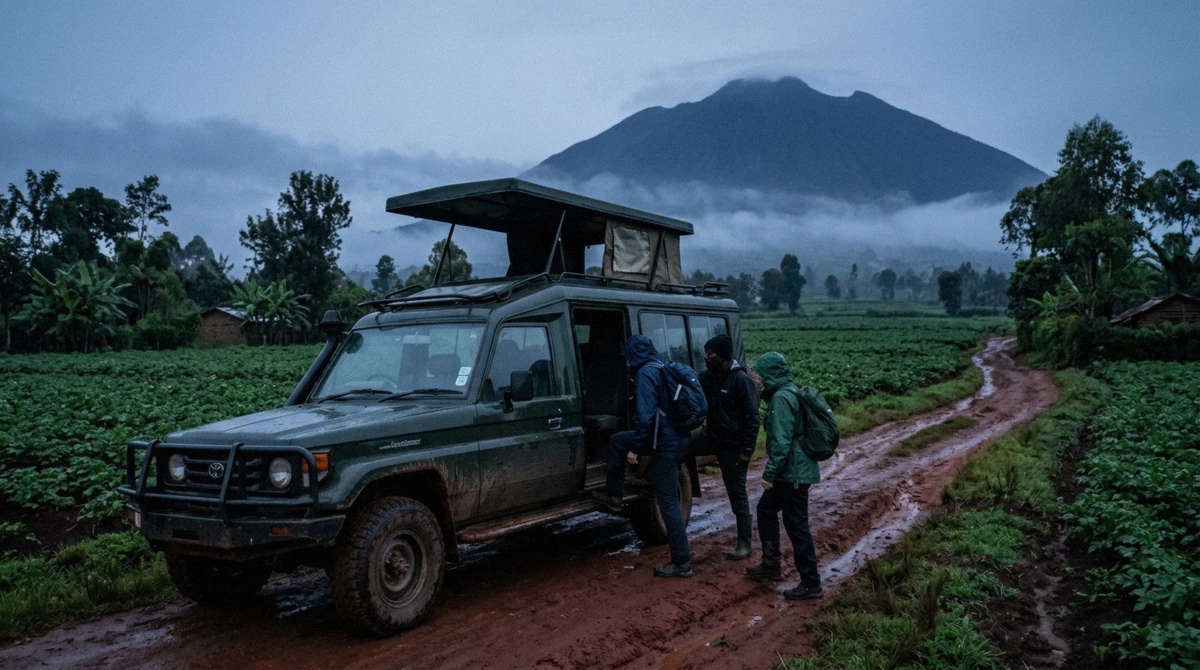
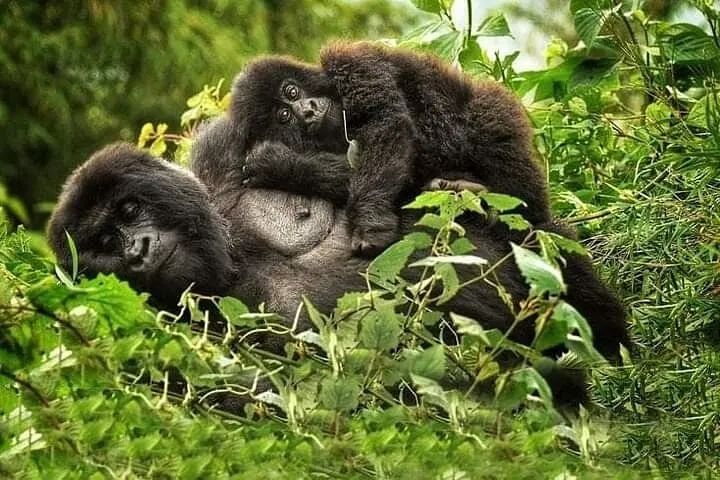
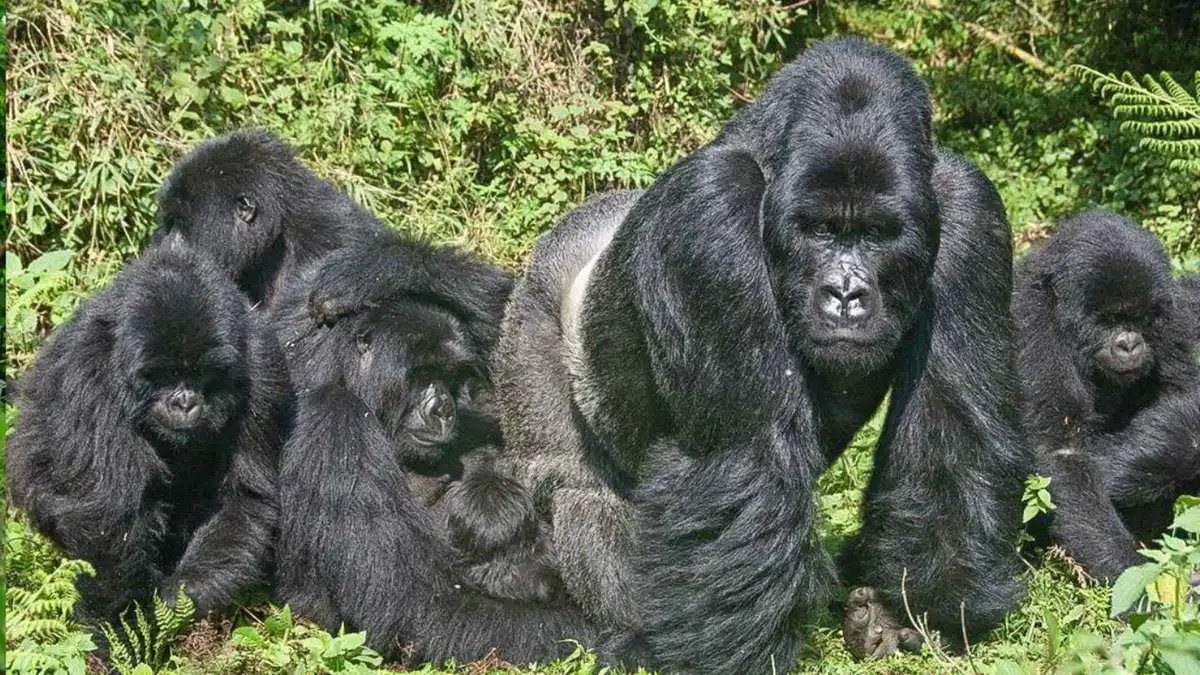
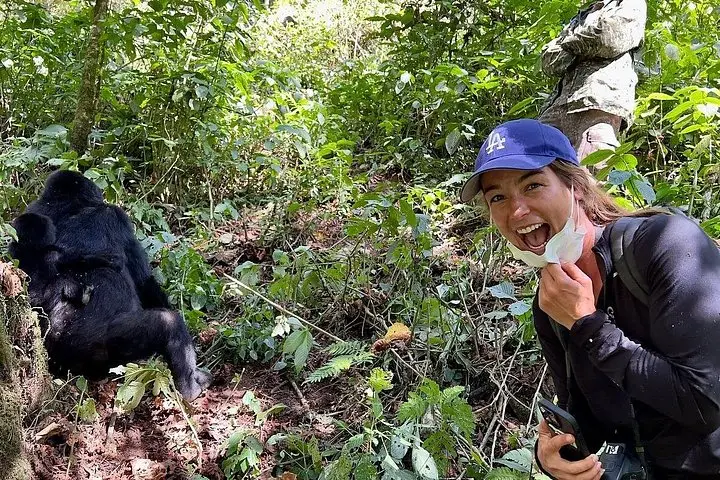
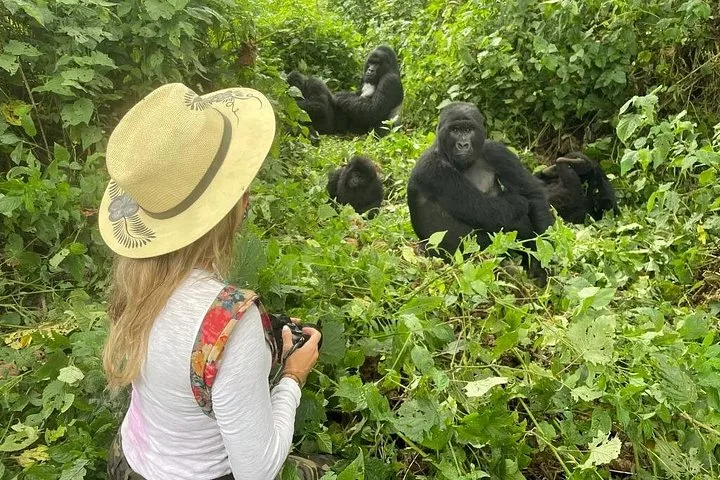
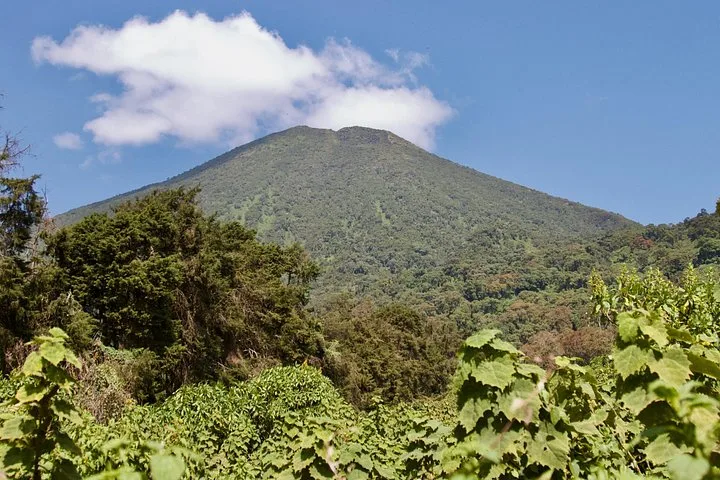
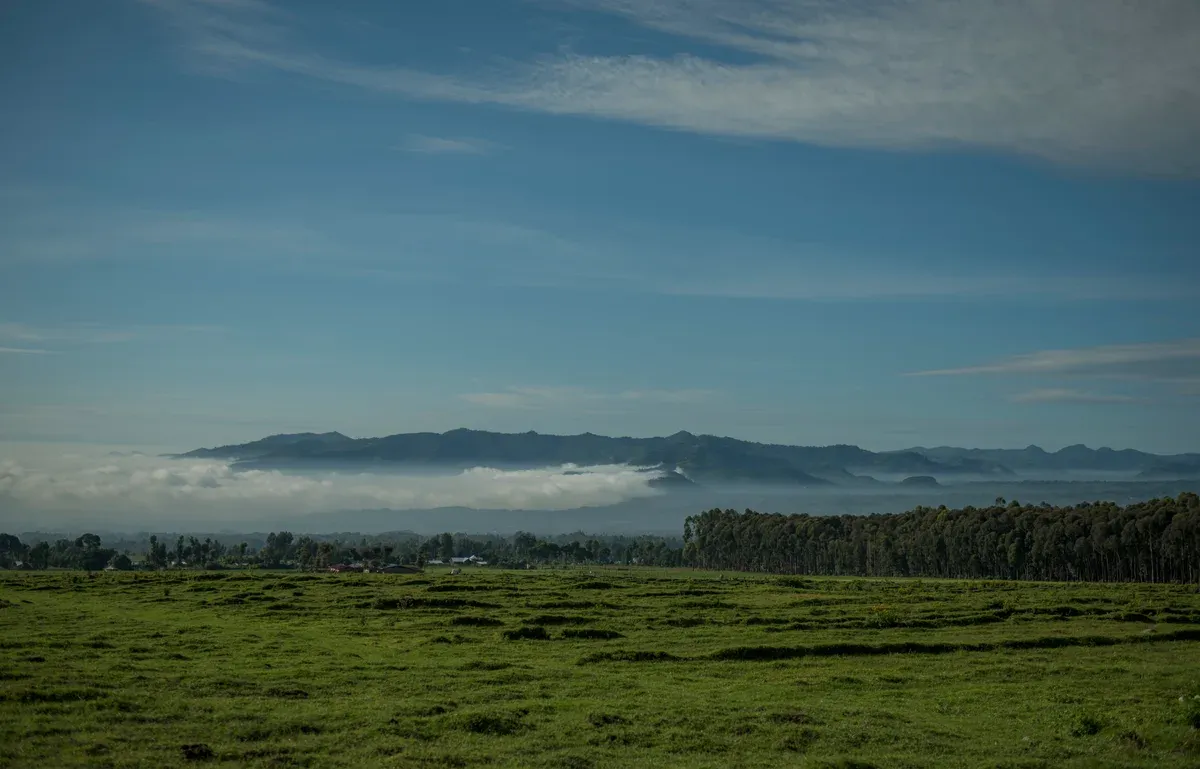
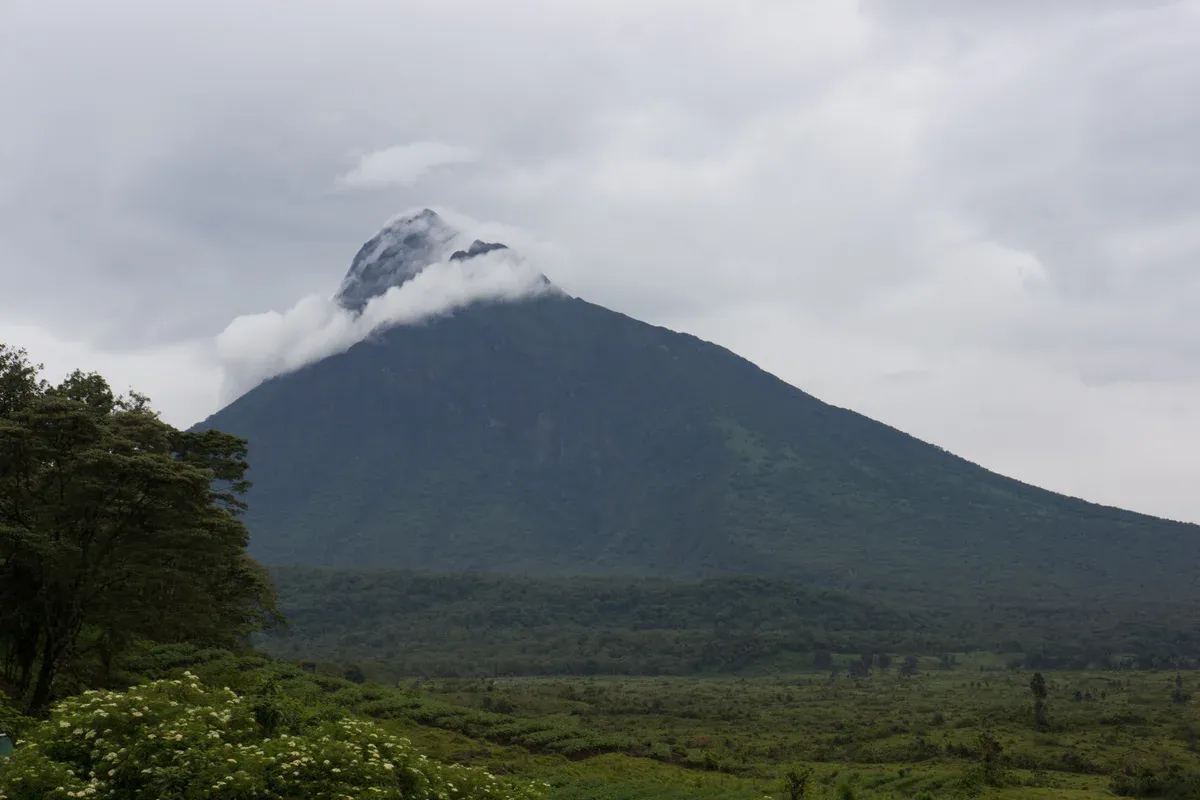
Volcanoes National Park sits on the Rwandan side of the Virunga Massif, a chain of dormant volcanoes that spans Rwanda, Uganda and the DR Congo. Twelve gorilla families are open to visitors, and the park issues 96 permits a day, eight per family.
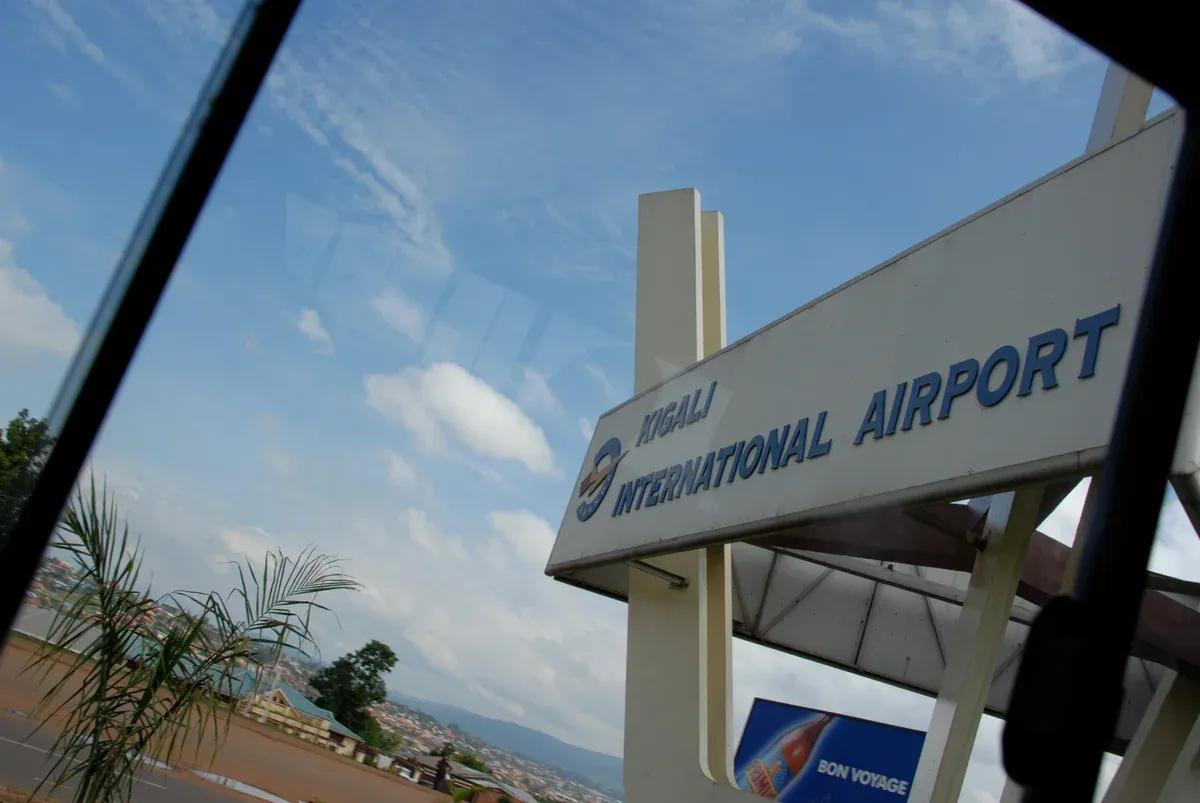
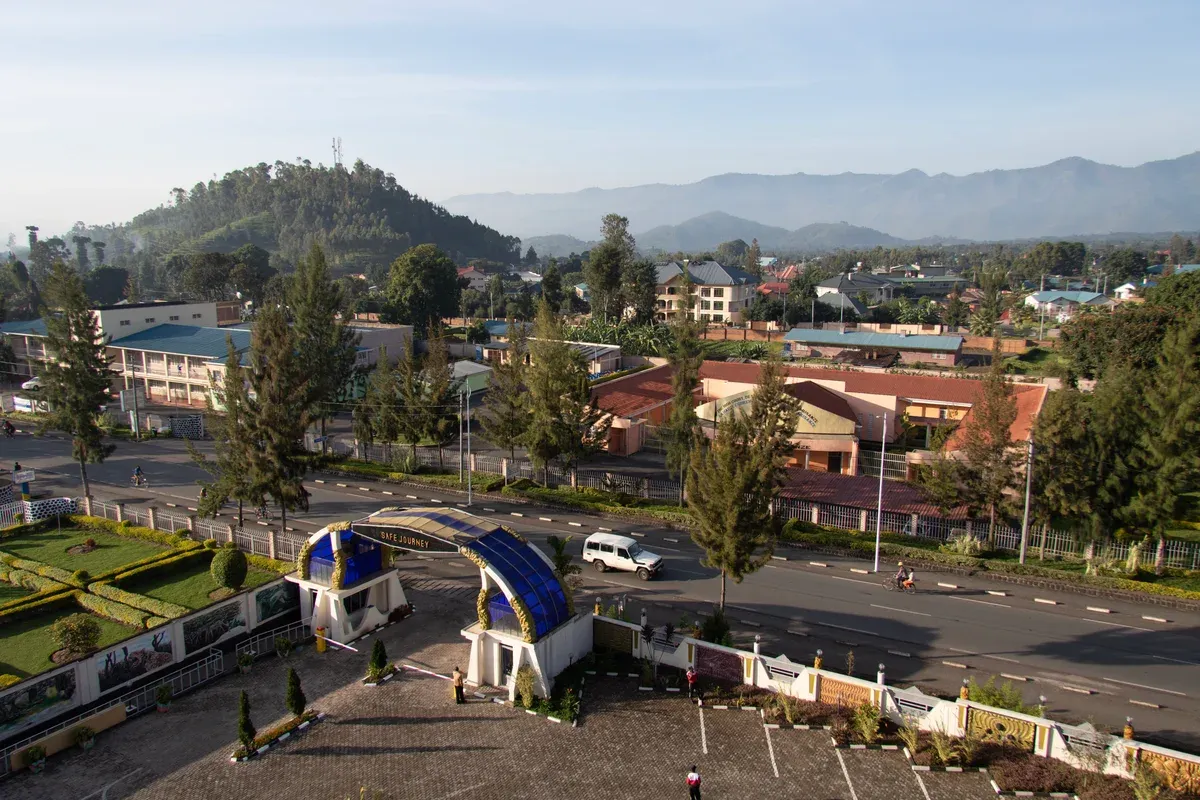
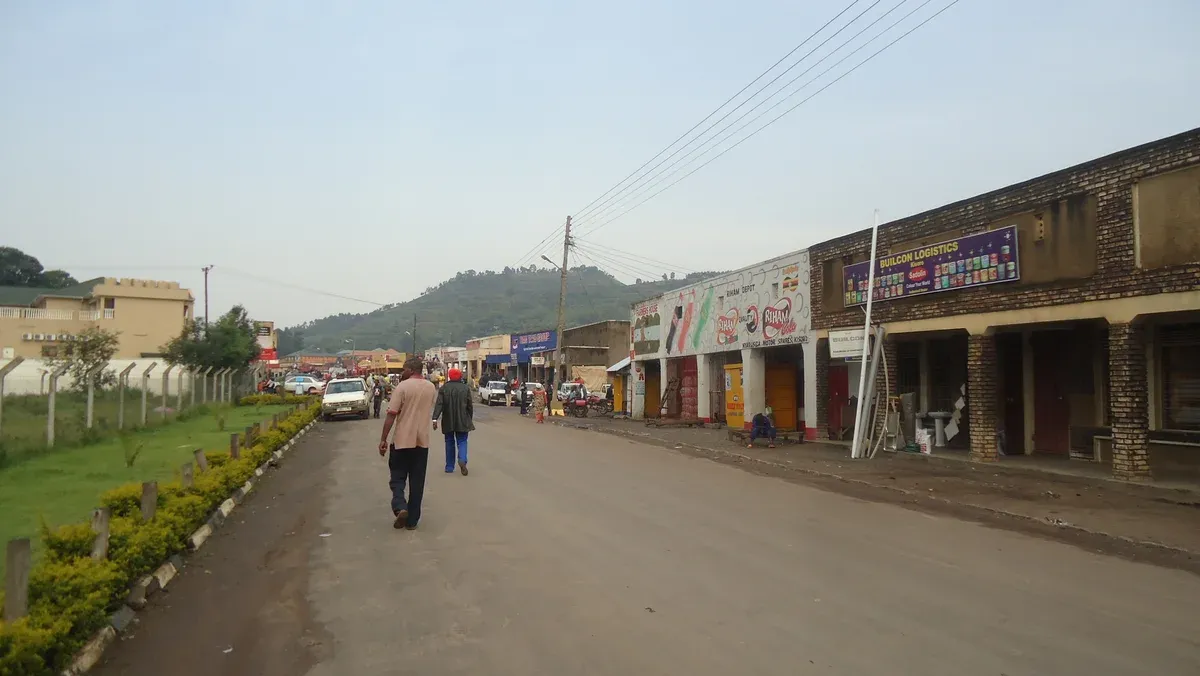
Trekkers report at the park headquarters in Kinigi at 7:00 am for briefing. Kinigi lies 13 km from Musanze, and Visit Rwanda describes the drive from Kigali as about three hours, while the RDB portal puts Musanze itself at 90 minutes from Kigali.
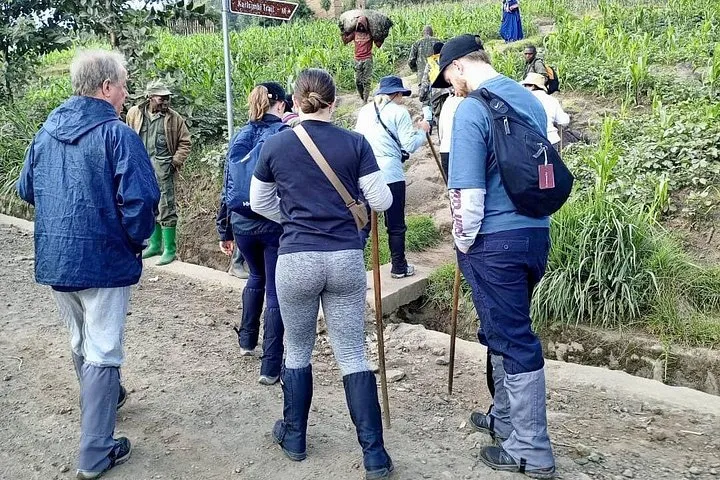
The trek itself runs from 30 minutes to four or more hours at altitudes of 2,500 to 4,000 m. The highest volcano in the range, Karisimbi, reaches 4,507 m. Dian Fossey founded her Karisoke research camp here in 1967. Suits travellers who want the shortest transfer from an international airport, since tours such as the Universal Ventures 1-day trek run from Kigali in 12 hours.
- 12 gorilla families open to visitors
- 96 permits a day, 8 per family
- Briefing at Kinigi at 7:00 am
Bwindi Impenetrable National Park, Uganda
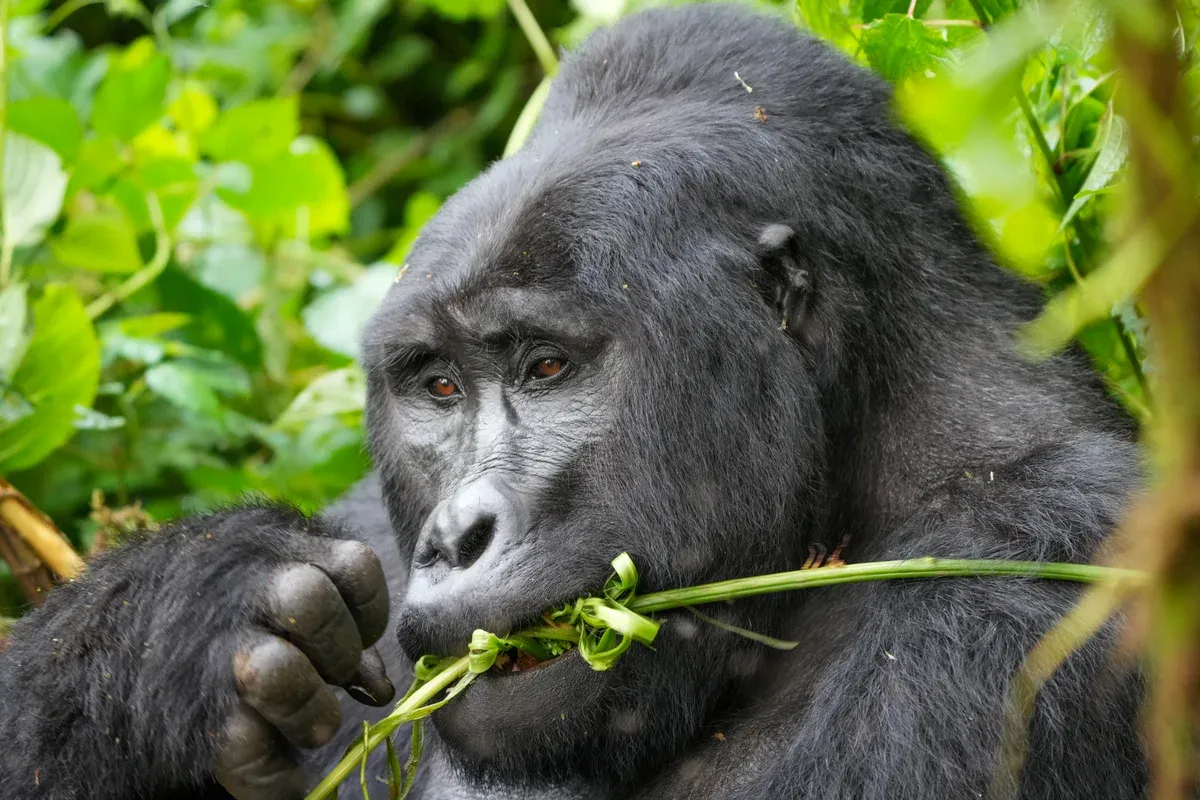
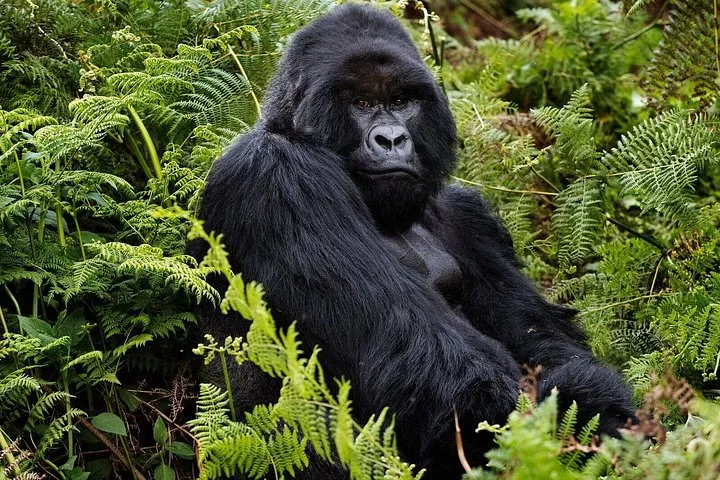
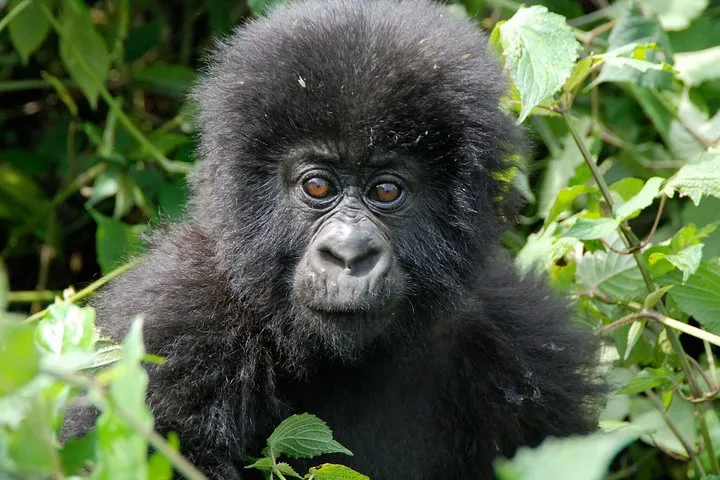
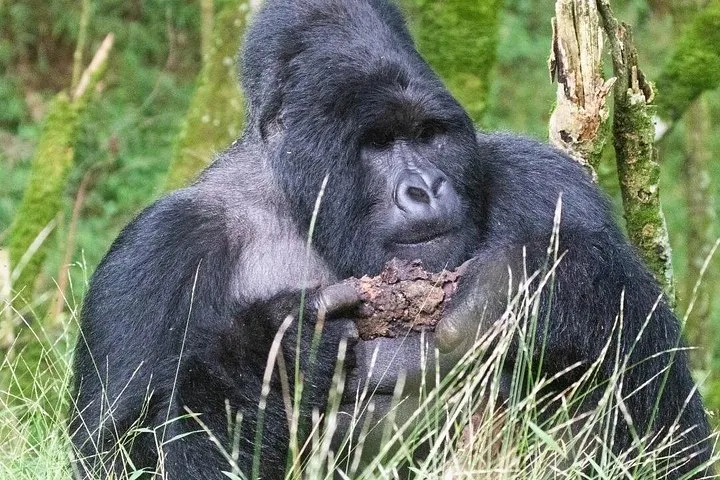
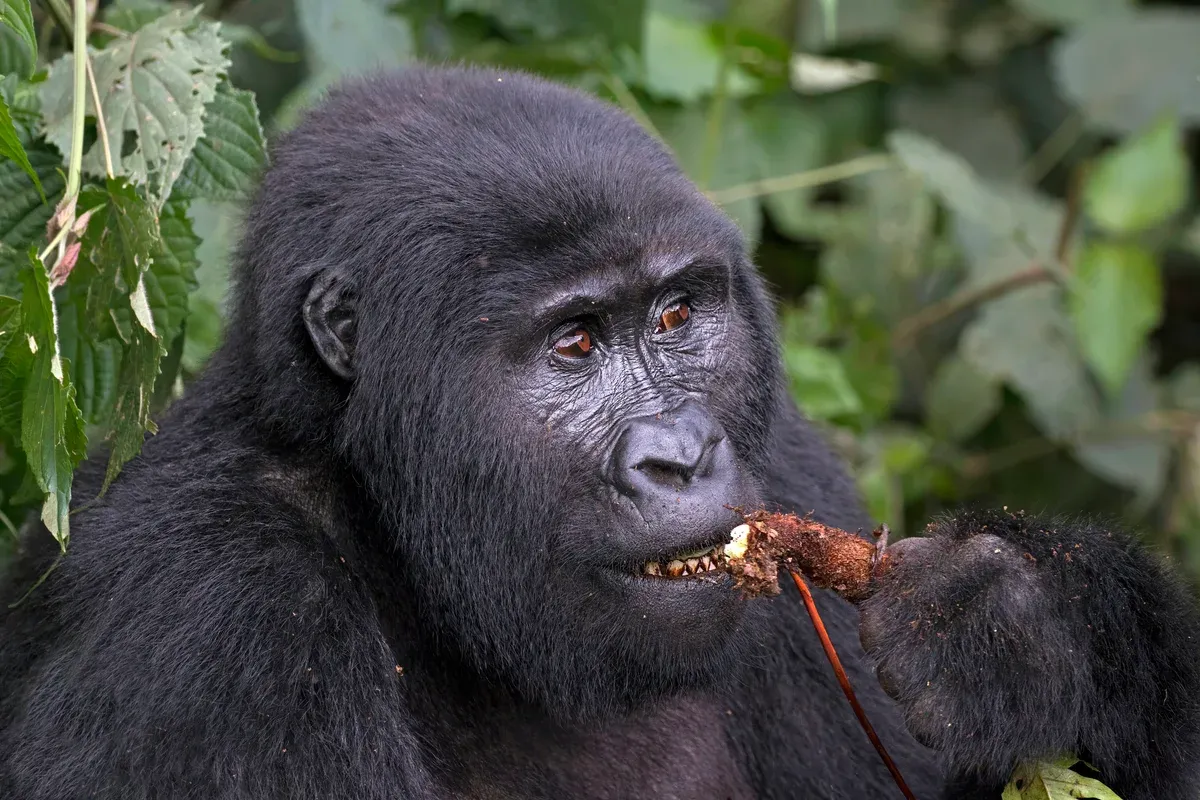
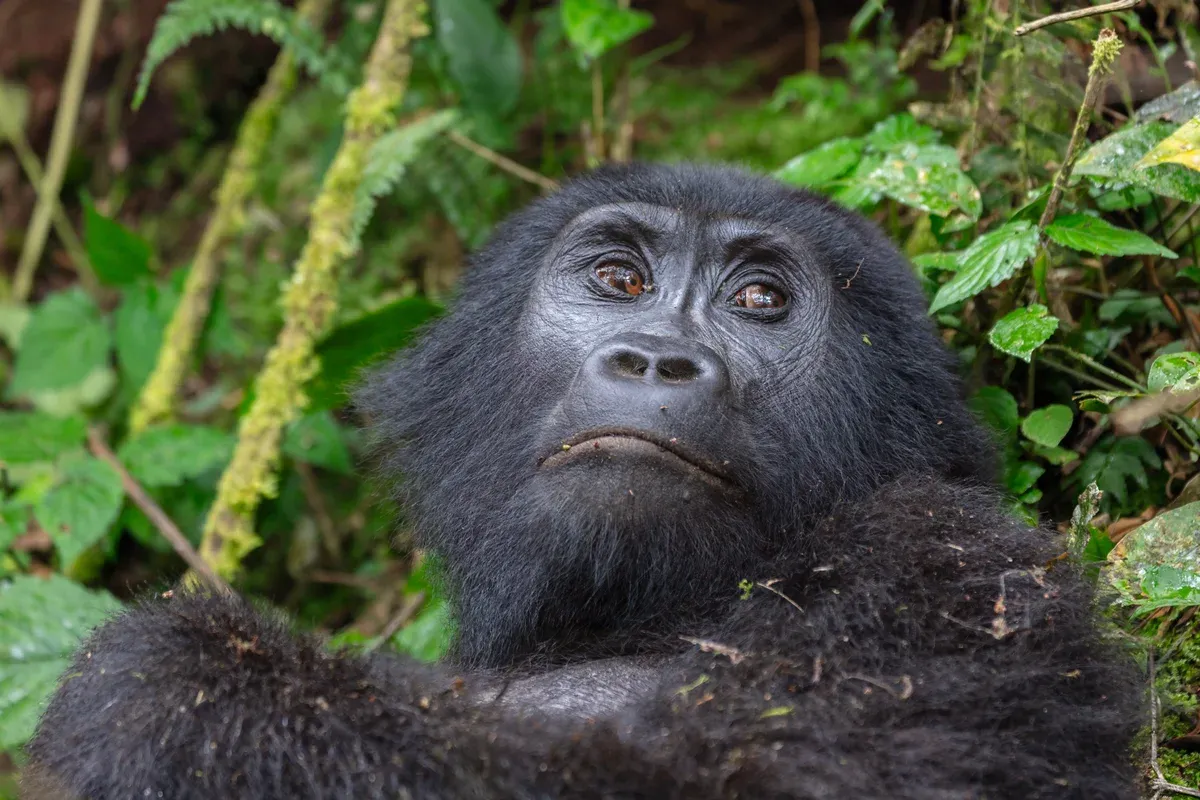
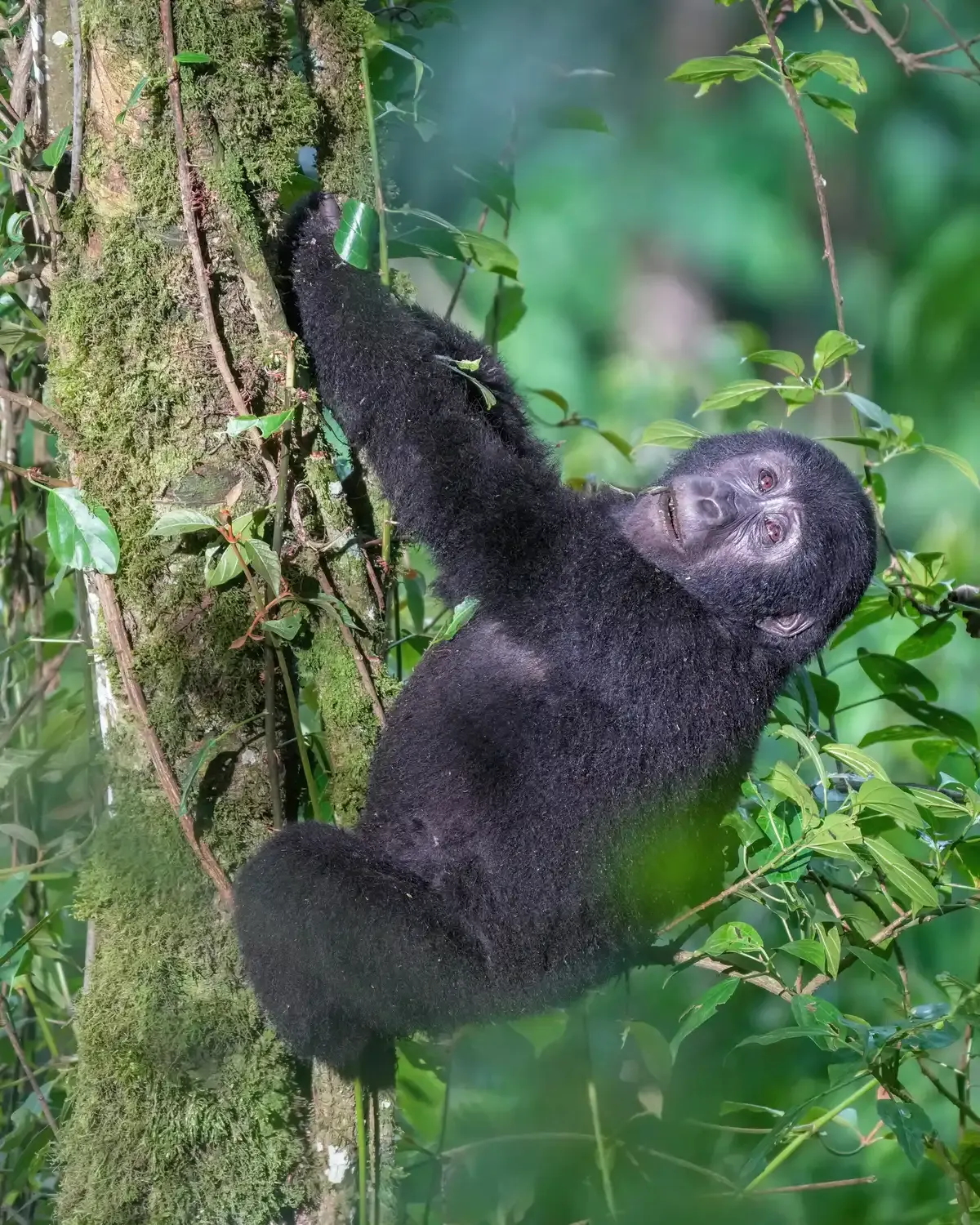
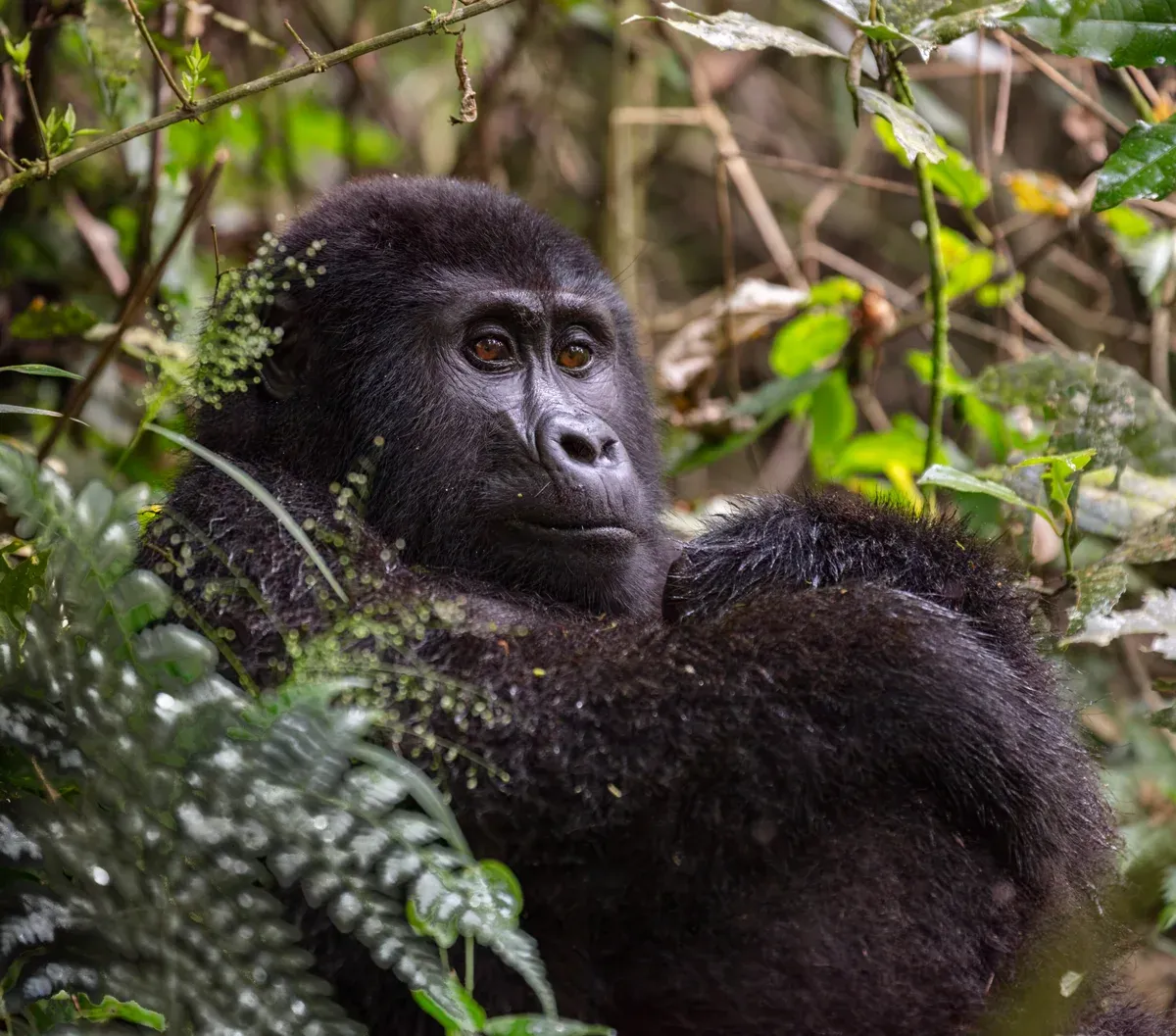
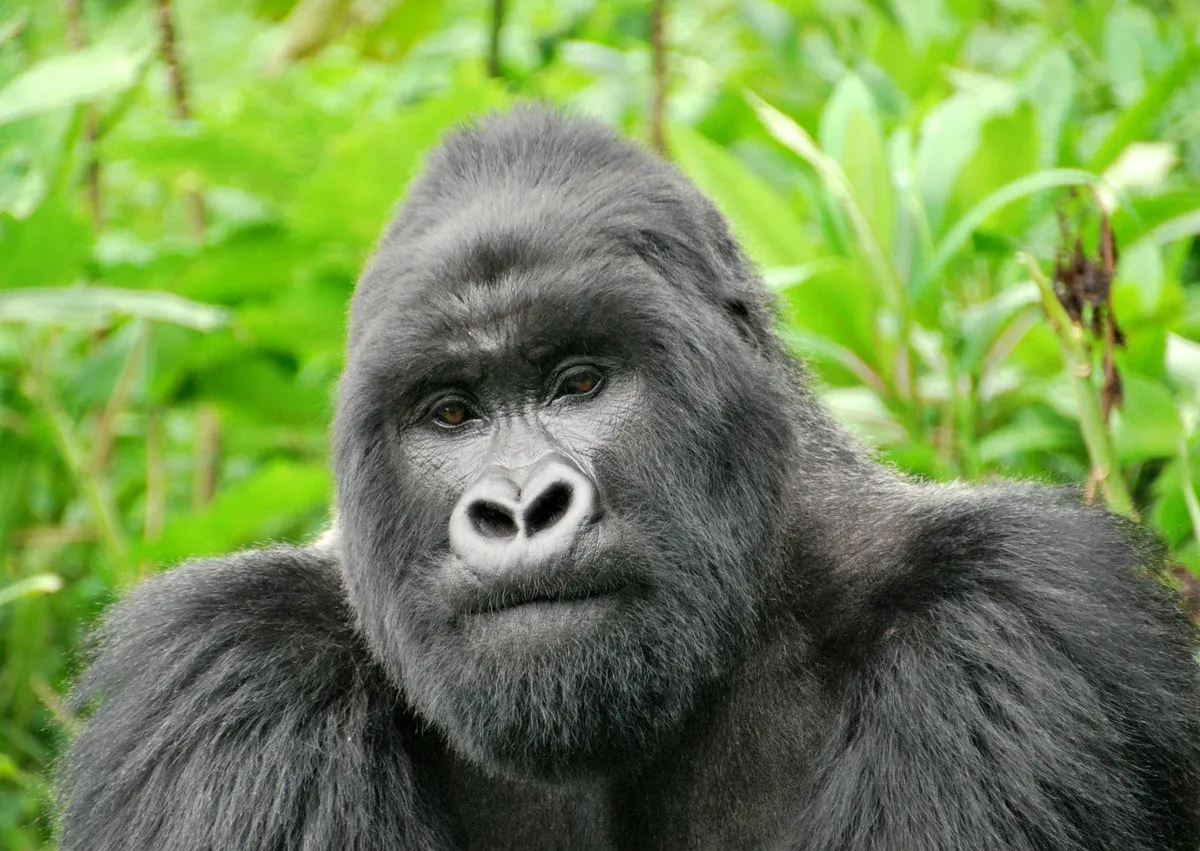
Bwindi Impenetrable National Park holds roughly half of the world's mountain gorillas, according to the Uganda Wildlife Authority (UWA). The 2018 Bwindi-Sarambwe census counted 459 gorillas in the park, up from 400 at the previous count.
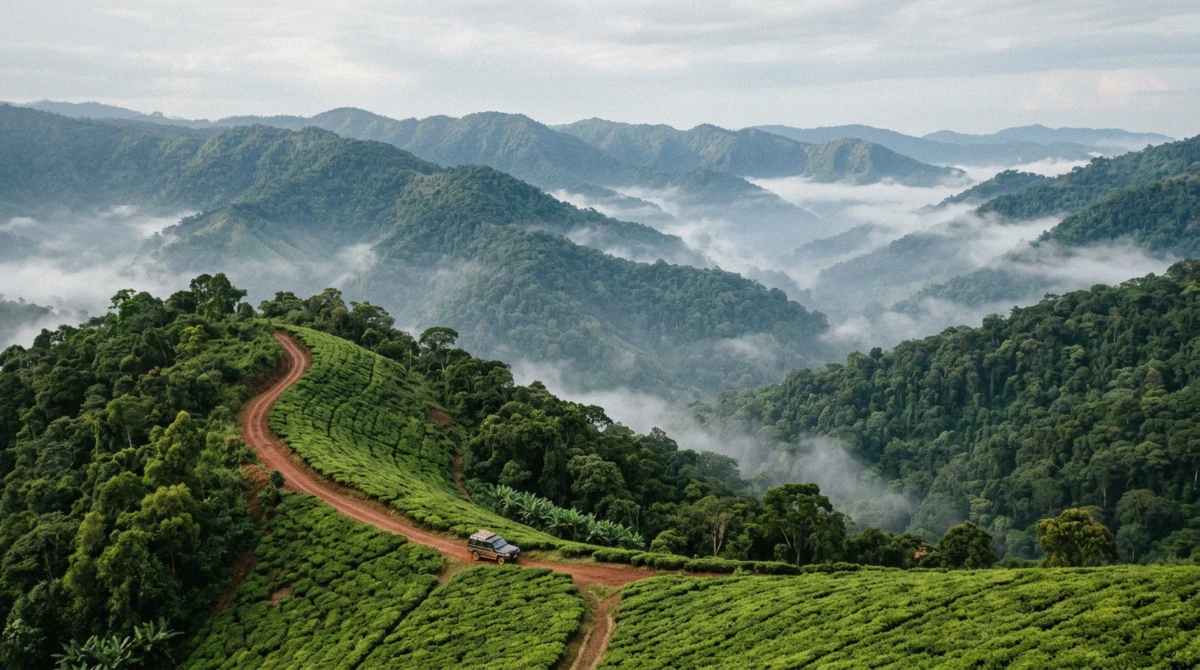
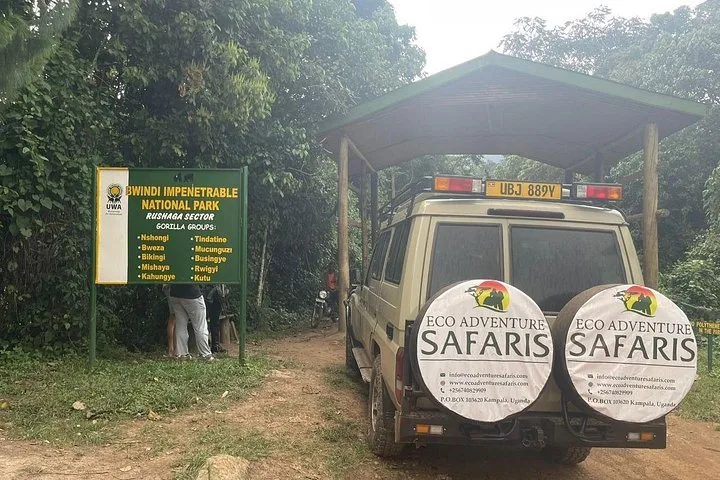
The park covers 321 km2 and rises from 1,160 m to 2,607 m above sea level. Trekking is organised from four sectors: Buhoma, Ruhija, Rushaga and Nkuringo.
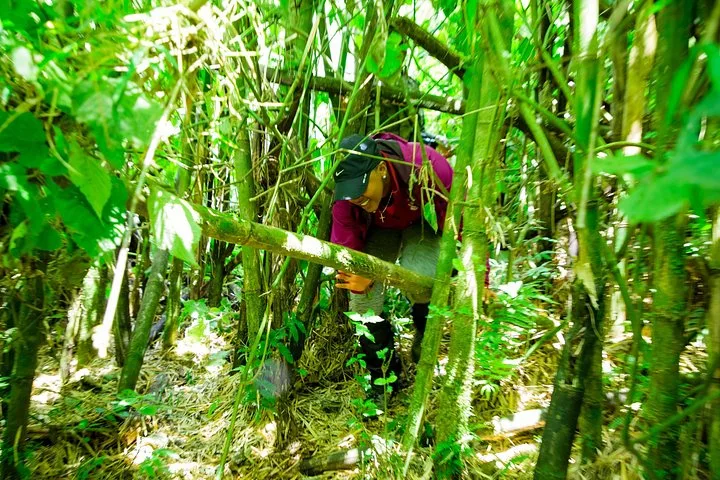
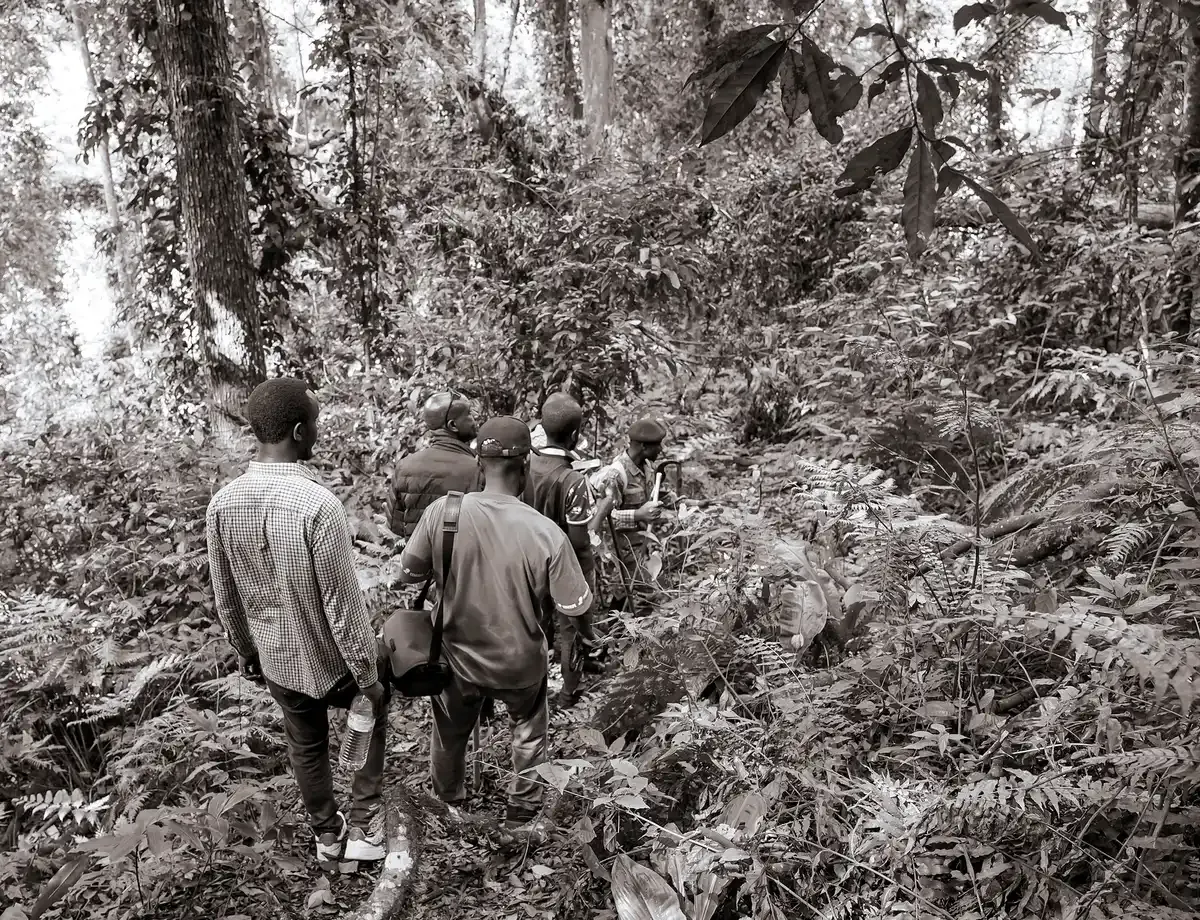
UWA puts Uganda treks at 2 to 7 hours through steep, wet rainforest. Suits travellers who want four sectors to choose from and the chance to pair gorillas with other parks.
- Four sectors: Buhoma, Ruhija, Rushaga, Nkuringo
- 459 gorillas counted in 2018
- 321 km2 at 1,160 to 2,607 m
Mgahinga Gorilla National Park, Uganda
Mgahinga Gorilla National Park is Uganda's smallest park at 33.7 km2, on the same Virunga volcanoes that rise over the Rwandan border. It has one habituated gorilla group, and UWA calls it a transboundary group, meaning it crosses borders.
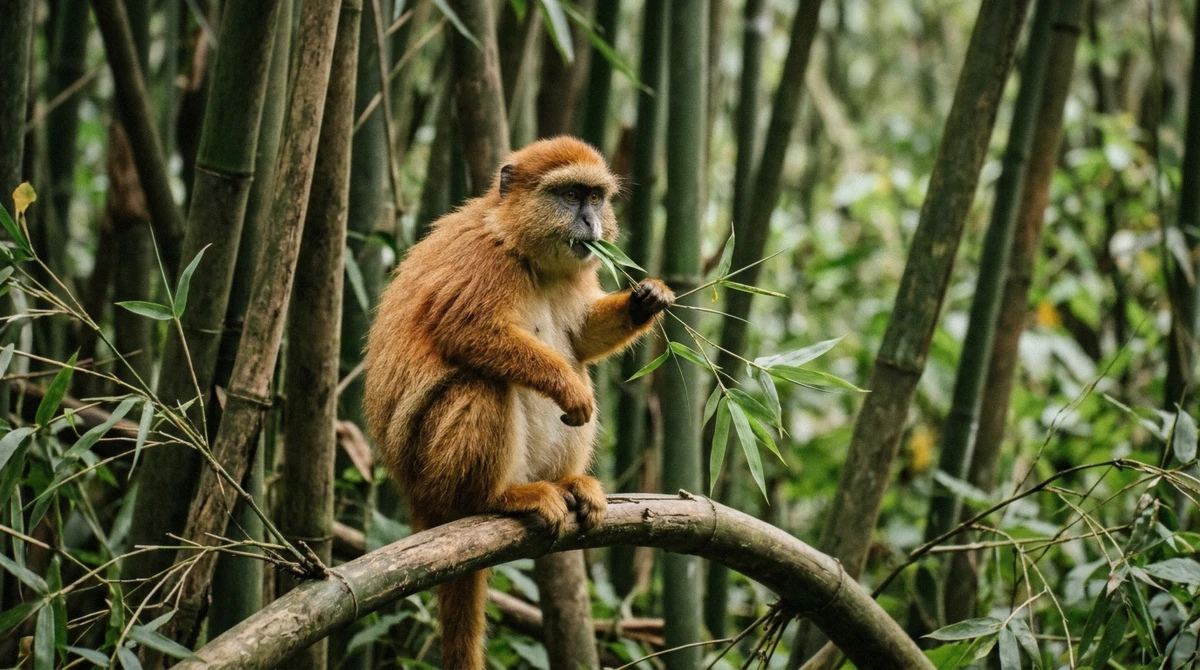
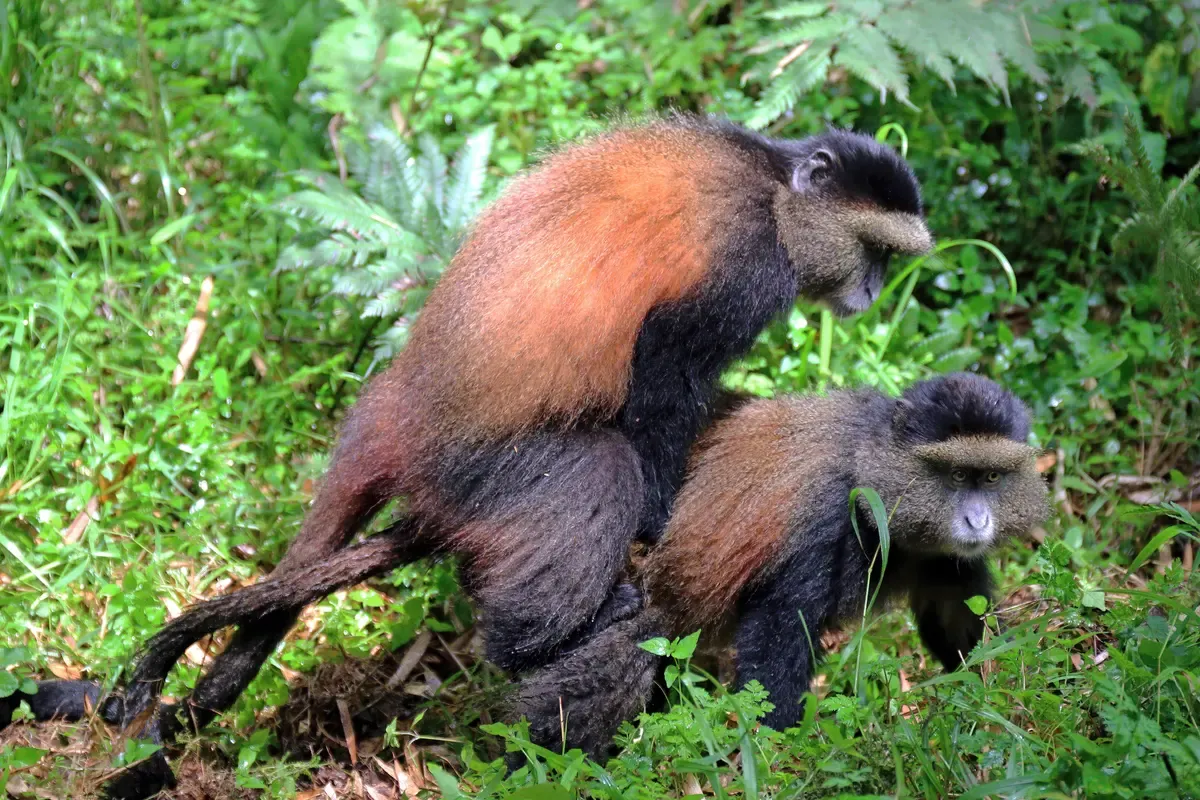
Because there is one group, Mgahinga issues about 8 permits a day. The park sits between 2,227 m at the Ntebeko headquarters and 4,127 m on the summit of Mount Muhabura. Golden monkeys are the other draw here.
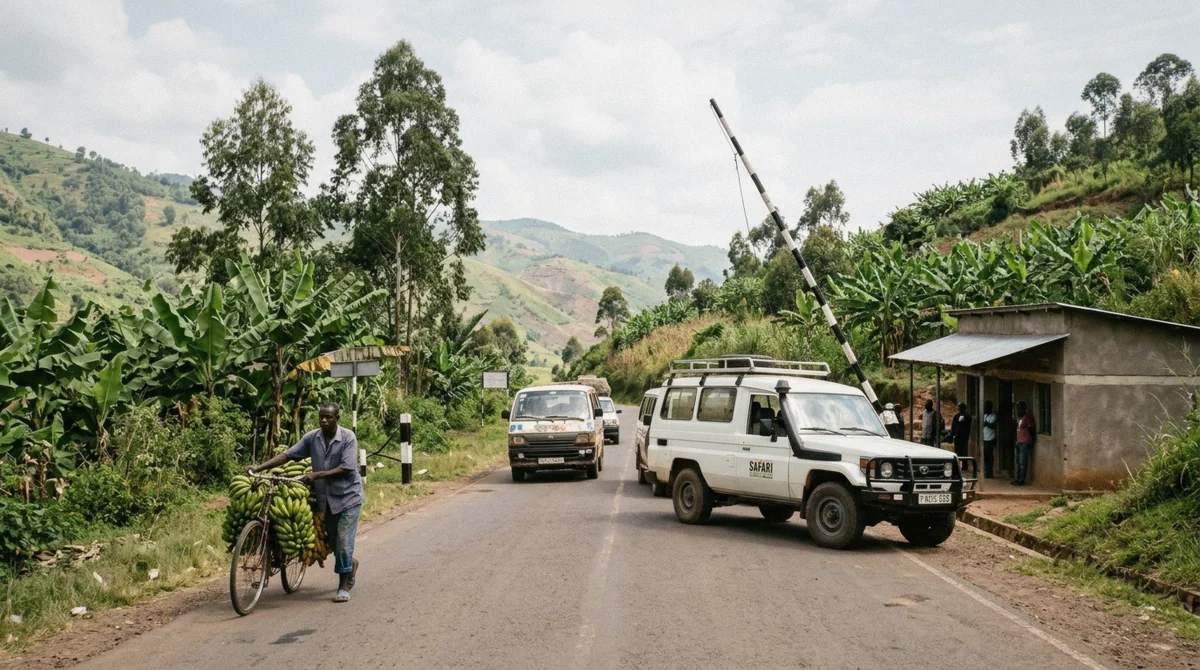
Mgahinga is 524 km from Kampala, and UWA puts the drive to Kisoro at about 9 hours, while the Cyanika border post in Kisoro district serves travellers coming from Rwanda. Suits travellers who want a quiet park, the volcanoes and golden monkeys in one stop.
- Uganda's smallest park, 33.7 km2
- One habituated group, about 8 permits a day
- 2,227 m to 4,127 m
How Many Gorillas Are There
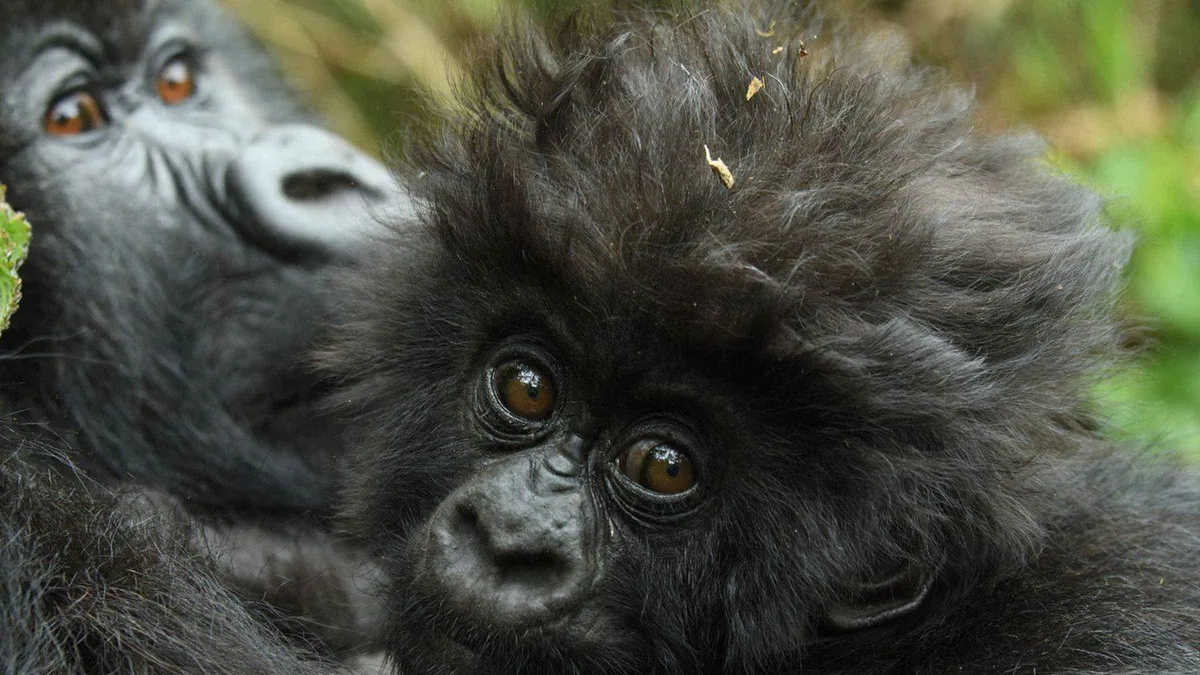
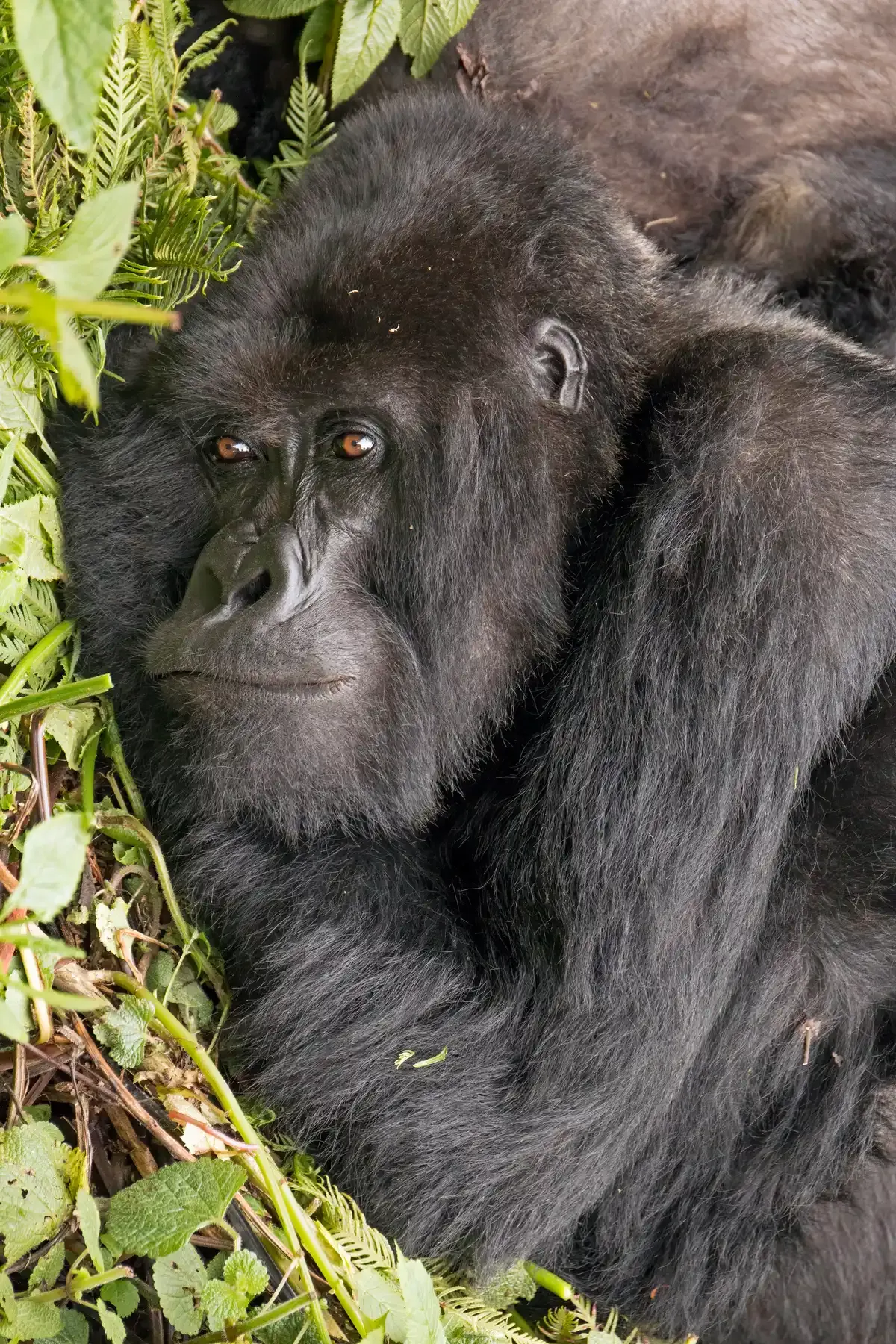
The 2018 Bwindi-Sarambwe census put the total mountain gorilla population at 1,063, with 604 of those in the Virunga Massif shared by Rwanda, Uganda and the DR Congo. The count in the Virunga Massif rose from 480 to 604 over five years. The IUCN moved the subspecies from Critically Endangered to Endangered after the population passed 1,000, up from about 680 in 2008.
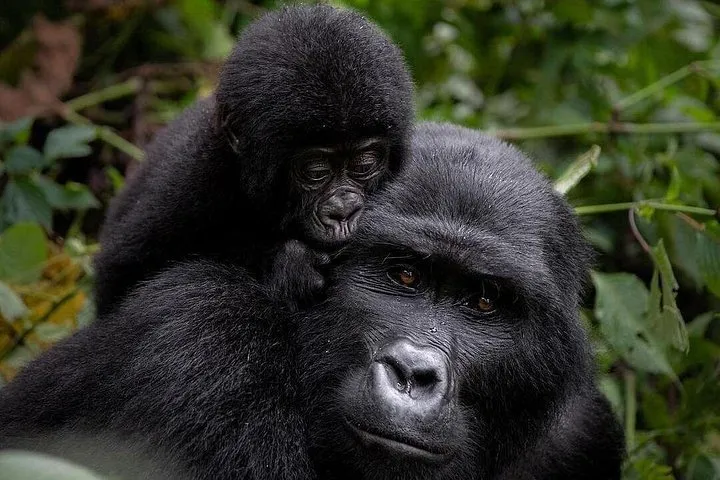
So the gorillas you meet in Volcanoes and the gorillas you meet in Bwindi belong to one small, recovering population split across the two parks. The table sums up the three parks side by side.
| Park | Country | Size or permits | Altitude | Known for |
|---|
| Volcanoes National Park | Rwanda | 12 families, 96 permits a day | 2,500-4,000 m | Virunga volcanoes, shortest transfer from Kigali |
| Bwindi Impenetrable National Park | Uganda | 321 km2, four sectors | 1,160-2,607 m | About half the world's mountain gorillas |
| Mgahinga Gorilla National Park | Uganda | 33.7 km2, about 8 permits a day | 2,227-4,127 m | One transboundary group, golden monkeys |
Sources: Visit Rwanda, Uganda Wildlife Authority, Uganda Wildlife Authority, Uganda Wildlife Authority.
 Rwanda vs Uganda Gorilla Trekking
 Rwanda